Skip to content

Immediate, practical support for sick children and their families.

1300 361 461 Healthcare login

TLC for Kids Knowledge Hub

Positive Distraction Fundamentals General audience, Healthcare professionals

The Theory of Positive Distraction

The theory of positive distraction explains how engaging activities can help people cope during stressful, painful, or emotionally challenging moments.

The Theory of Positive Distraction

The theory of positive distraction explains how engaging activities can help people cope during stressful, painful, or emotionally challenging moments.

In healthcare settings, positive distraction helps shift attention away from fear or discomfort and toward something engaging, calming, or enjoyable.

For children facing medical procedures such as vaccinations, blood tests, scans, or treatment, even a brief moment of distraction can make a meaningful difference in how they experience the moment.

Instead of focusing entirely on the procedure, the child focuses on an activity, a game, a story, or a visual experience.

This change in focus can help reduce anxiety and support children during difficult medical experiences.

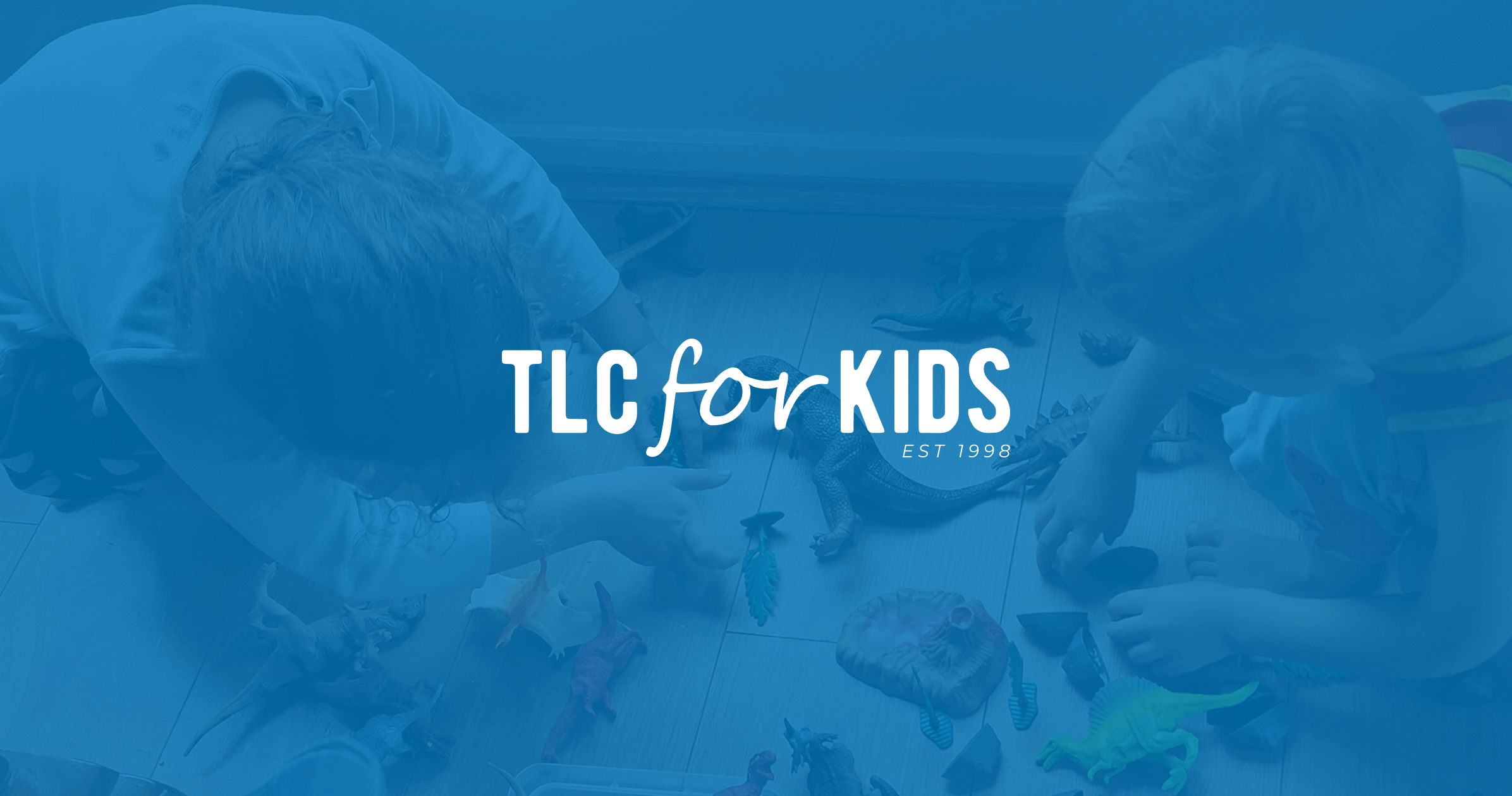
The human brain has a limited ability to focus on multiple things at once.

When attention becomes absorbed in an activity such as a game, breathing exercise, story, or visual interaction, there is less mental capacity available to focus on fear or discomfort.

This is why distraction techniques are widely used in paediatric healthcare environments.

For children, positive distraction can help:

• reduce anxiety
• reduce perceived pain
• improve cooperation during procedures
• create calmer experiences for families and healthcare professionals

These techniques are often used during:

• vaccinations
• blood tests
• wound care
• imaging scans
• hospital treatment

Even short moments of distraction can help transform a stressful experience into a more manageable one.

Healthcare professionals often use distraction techniques to support children during medical procedures.

Distraction techniques are widely recognised in paediatric healthcare as a way to support children during medical procedures. Guidance from organisations such as the World Health Organization and leading hospitals including the Royal Children’s Hospital Melbourne emphasises the importance of child-centred care approaches that help reduce fear and anxiety during treatment.

These techniques may include:

• guided breathing or bubbles
• storytelling or conversation
• music or videos
• sensory toys
• simple digital games

The goal is not to ignore the procedure, but to support the child emotionally while the procedure takes place.

By focusing attention on something positive, children often feel calmer and more supported.

Technology has created new opportunities to provide distraction quickly and easily in healthcare environments.

Digital activities can be especially useful because they can be accessed instantly and adapted for different ages and situations.

Simple interactive activities help children focus on tapping, moving, counting, or breathing rather than the medical procedure itself.

These moments of engagement help shift attention and reduce anxiety.

TLC for Kids provides digital and physical tools that help reduce stress and anxiety during emotionally challenging moments.

These tools are designed to support children, families, and healthcare professionals when immediate support is needed.

Tap 2 Distract App

Tap 2 Distract provides simple digital activities designed to help children focus on something positive during stressful moments.

The app can be used during vaccinations, blood tests, or hospital visits when a child needs a moment of calm.

Learn more about the Tap 2 Distract app

TLC Distraction Box Program

Distraction Boxes placed in hospitals contain carefully selected toys and activities designed to help redirect a child’s attention during medical procedures.

These resources provide immediate support when children need it most.

Learn more about the TLC Distraction Box Program

The positive distraction theory is based on the idea that attention can shift away from fear when the brain focuses on an engaging activity.

When children feel supported during medical treatment, the experience can become less frightening and easier to manage.

Positive distraction helps create moments of calm during difficult situations.

These moments may be brief, but they can make a meaningful difference for children, families, and healthcare teams.

FAQs

What is the theory of positive distraction?

The theory is that attention is limited. When a person focuses on something engaging, calming or meaningful, less attention may be available for fear, discomfort or anxious thoughts.

Why does distraction help children during medical procedures?

Age-appropriate distraction can shift attention away from unfamiliar sights, sounds or sensations and towards an activity the child can understand and engage with.

Is positive distraction used in hospitals?

Help provide these moments of calm and support to more children and families.
Donate here

Important information

This article provides general information only and is not a substitute for advice from a qualified healthcare professional.
Donate now Become a Friend